The Most Popular Cuisines in Asia
Asia is home to some of the world’s most influential and beloved cuisines. Spanning vast geographies, climates and cultures, Asian food is defined by diversity, depth of flavour and centuries of culinary tradition. From street food stalls and home kitchens to high end restaurants and fine dining tasting menus, Asian cuisines have shaped how the world eats.
What makes Asian food especially compelling is its balance. Bold spices, delicate herbs, rich sauces, fermented elements and fresh ingredients all play a role. Below is a detailed look at the most popular cuisines in Asia, with signature dishes that define each culinary tradition and explain why these cuisines continue to resonate globally.
Indian Cuisine
A Celebration of Spice and Regional Diversity
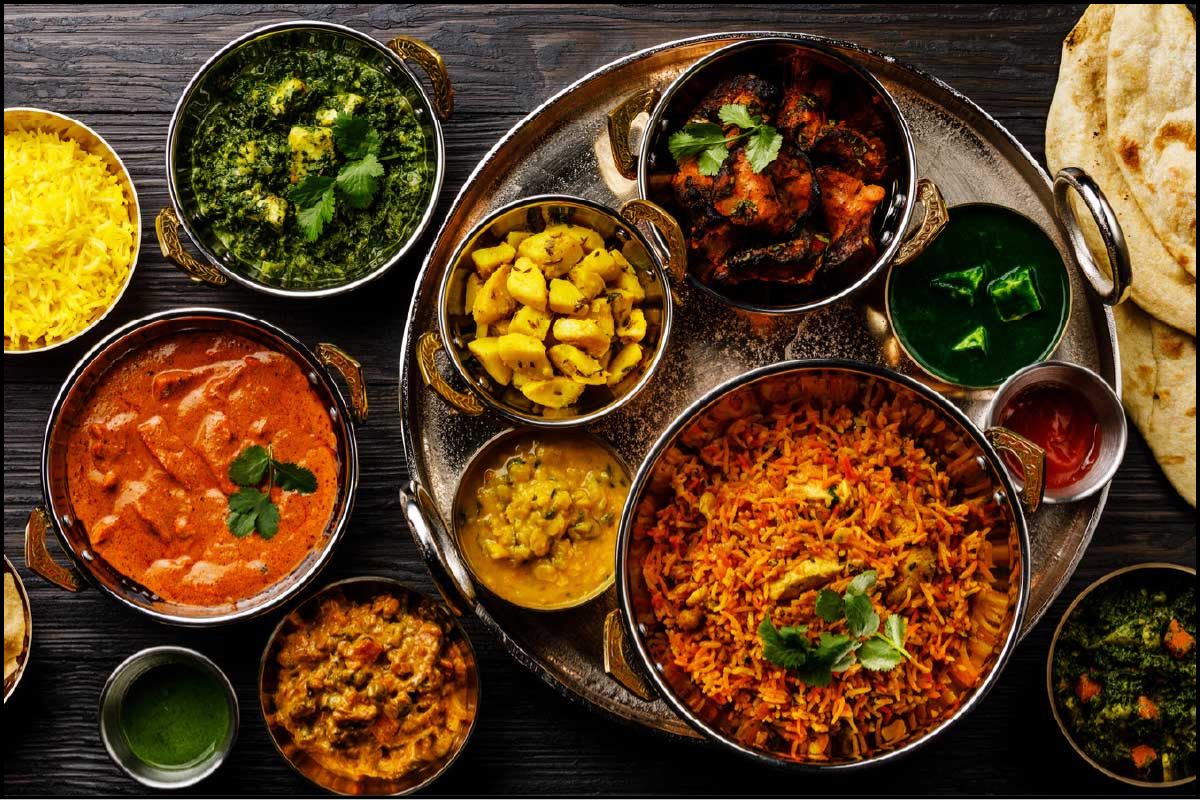
Indian cuisine is one of the most complex and varied food cultures in the world. Rather than a single style, it is a collection of regional cuisines shaped by climate, religion and history. Spices play a central role, not just for heat, but for aroma, depth and balance.
Northern Indian food is often rich and hearty, featuring dairy, slow cooked meats and bread. Southern Indian cuisine leans lighter and brighter, with rice, lentils, coconut and fermented elements.
Iconic Indian Dishes
Some of the most recognisable Indian dishes include butter chicken, chicken tikka masala, biryani and dal. Vegetarian dishes such as chana masala, palak paneer and aloo gobi showcase how flavourful plant based cooking can be. Breads like naan and roti are essential accompaniments, while street foods such as samosas and chaat highlight India’s love of bold, layered flavours.
Korean Cuisine
Bold Flavours and Fermentation
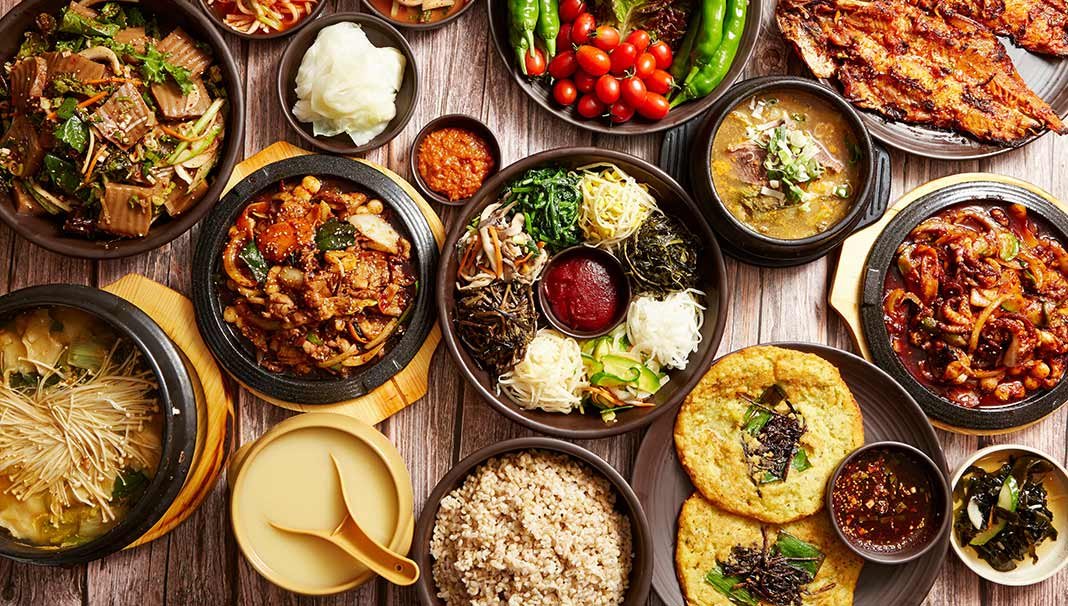
Korean cuisine is defined by strong flavours, fermentation and communal eating. Meals are often shared, with multiple side dishes served alongside rice and a main protein. Balance between spicy, savoury, sweet and fermented elements is key.
Fermented foods are central to Korean cooking, contributing both flavour and health benefits. Meals are comforting yet vibrant, often centred around warmth and nourishment.
Iconic Korean Dishes
Kimchi is the most famous Korean food, appearing as both a side dish and an ingredient. Other popular dishes include bulgogi, bibimbap, japchae and Korean fried chicken. Barbecue culture is especially significant, with diners grilling marinated meats at the table and enjoying them wrapped in lettuce with sauces and condiments.
Thai Cuisine
Harmony of Sweet, Sour, Salty and Spicy
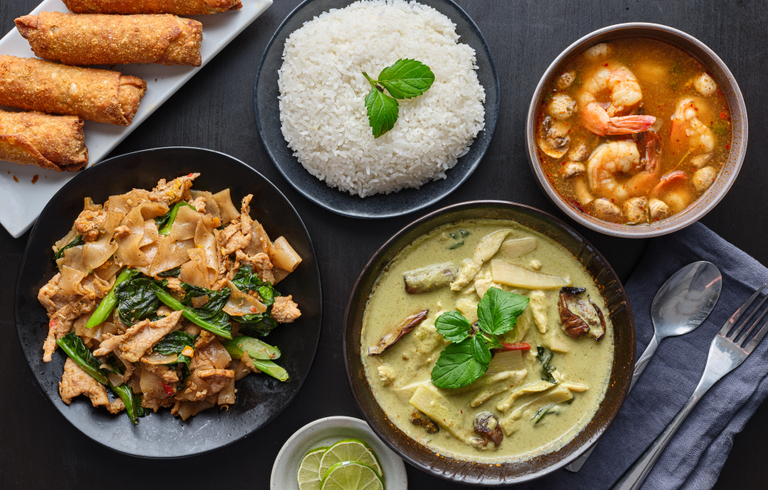
Thai cuisine is celebrated for its balance of contrasting flavours. Sweetness from palm sugar, acidity from lime, saltiness from fish sauce and heat from chilli all work together in carefully calibrated harmony. Fresh herbs and aromatics are essential, giving Thai food its distinctive fragrance.
Thai food is widely loved because it feels both comforting and exciting, approachable yet complex.
Iconic Thai Dishes
Pad thai is globally recognised, but Thai cuisine goes far beyond it. Green curry, red curry and massaman curry showcase regional spice blends. Tom yum soup offers bold sour and spicy notes, while som tam delivers freshness and crunch. Street food plays a huge role, with skewers, noodles and fried snacks found everywhere.
Indonesian Cuisine
Rich Traditions Across Thousands of Islands
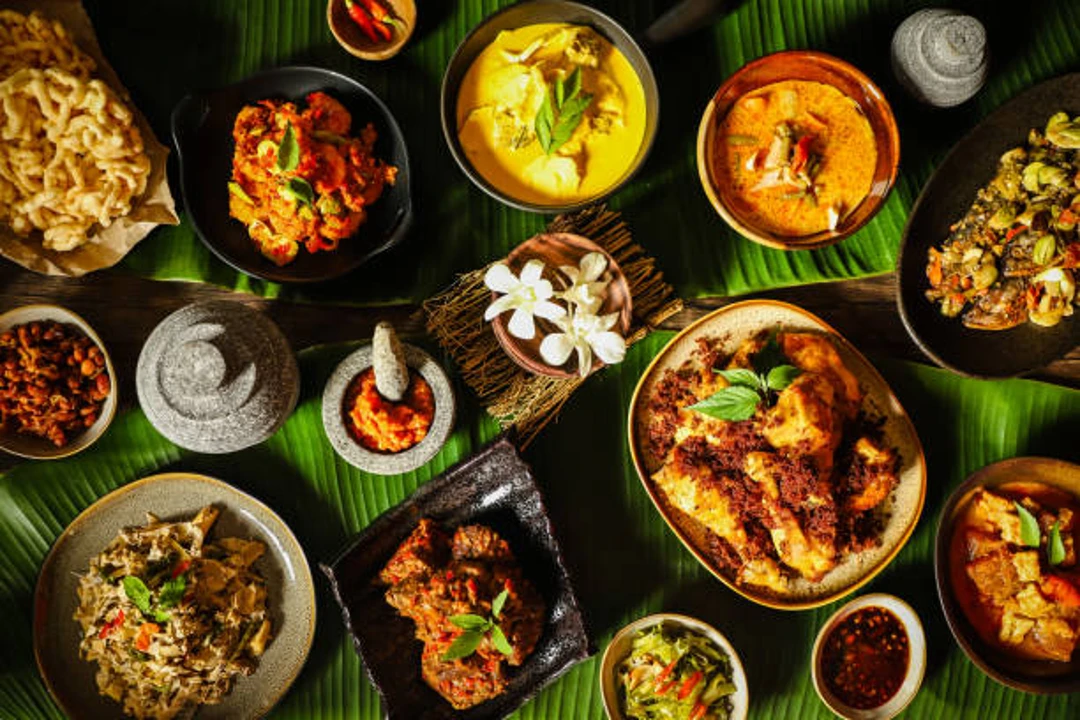
Indonesian cuisine reflects the country’s vast geography, with each region offering distinct flavours and techniques such as Balinese food or Javanese cuisine. Rice is a staple, often served with a variety of vegetables, meats and sambals. Spices, coconut milk and slow cooking methods are common.
Indonesian food is deeply tied to community and daily life, with many dishes prepared early and eaten throughout the day.
Iconic Indonesian Dishes
Nasi goreng and mie goreng are among the most recognisable Indonesian foods. Rendang, a slow cooked beef dish from Sumatra, is widely regarded as one of the world’s great dishes. Other favourites include satay, gado gado and nasi campur. Sambal, a chilli based condiment, is essential and varies widely by region.

Chinese Cuisine
One Cuisine, Many Regional Styles
Chinese cuisine is often grouped under one label, but it is incredibly diverse. Each region has its own identity, ingredients and cooking methods. From the bold heat of Sichuan to the delicate flavours of Cantonese cooking, Chinese food offers unmatched range.
Balance, texture and presentation are important, and meals are traditionally shared.
Iconic Chinese Dishes
Popular dishes include dumplings, fried rice, Peking duck and sweet and sour pork. Sichuan cuisine is known for dishes like mapo tofu, featuring chilli and numbing peppercorn. Cantonese cooking highlights freshness through steamed fish and roasted meats. Noodles and soups are staples across regions.
Vietnamese Cuisine
Freshness, Herbs and Lightness
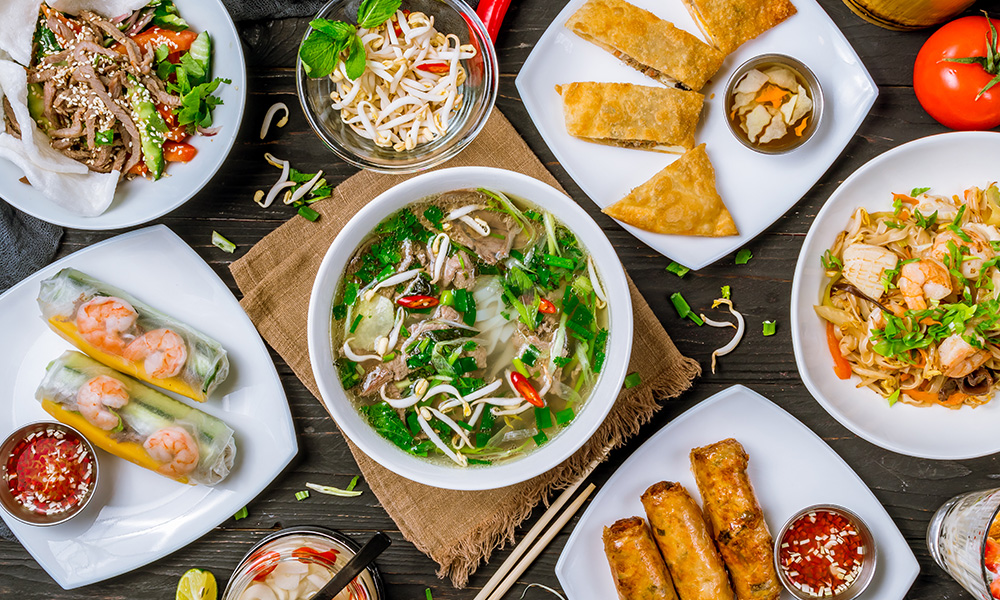
Vietnamese cuisine is often praised for its freshness and balance. Herbs play a starring role, and dishes tend to be lighter than many other Asian cuisines. Broths are clear yet deeply flavoured, and meals often feel clean and nourishing.
Vietnamese food is closely connected to daily routines, with many dishes eaten at specific times of day.
Iconic Vietnamese Dishes
Pho is the most famous Vietnamese dish, a fragrant noodle soup eaten throughout the day. Banh mi reflects French influence through its baguette base filled with meats, pickles and herbs. Fresh spring rolls, bun cha and com tam are other popular dishes that highlight balance and texture.
Japanese Cuisine
Precision, Seasonality and Simplicity
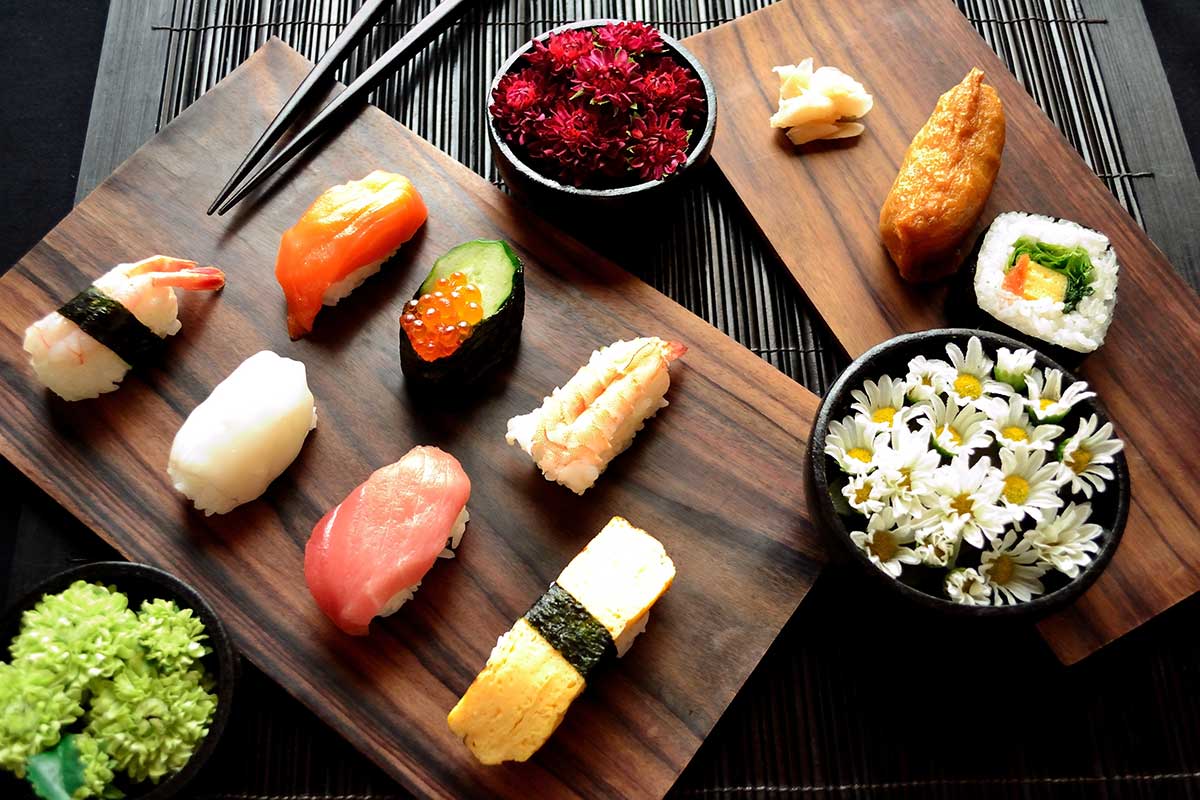
Japanese cuisine is built on respect for ingredients and seasonality. Rather than masking flavours, Japanese cooking aims to highlight natural taste through careful preparation and presentation. Texture, colour and balance are just as important as flavour.
Meals often feel refined and intentional, even in casual settings.
Iconic Japanese Dishes
Sushi and sashimi are globally recognised, showcasing fresh seafood and precision. Ramen offers comfort and depth, with rich broths and carefully crafted toppings. Tempura highlights lightness and technique, while dishes like tonkatsu, udon and soba demonstrate Japan’s range of cuisine from hearty to delicate.
Why Asian Cuisines Are So Popular Worldwide
Asian cuisines have gained global popularity because they are adaptable, flavour driven and deeply satisfying. Many dishes are affordable, quick to prepare and easily customised to dietary preferences. Vegetarian, seafood based and gluten free options are common across many Asian food cultures.
The rise of street food culture, global travel and international chefs has further elevated Asian cuisines, bringing traditional flavours into modern dining environments.
Conclusion
The most popular cuisines in Asia reflect the continent’s diversity, history and creativity. From the spice layered complexity of Indian food to the precision of Japanese cuisine, from the freshness of Vietnamese dishes to the bold fermentation of Korean cooking, Asian food offers endless exploration.
Whether enjoyed at a street stall, family table or fine dining restaurant, these cuisines continue to influence how the world eats. For many travellers and food lovers, exploring Asia through its food is not just a pleasure, but one of the most meaningful ways to understand its cultures.
No comments yet.